


Imagine walking into the boardroom with a solid recommendation, and within two minutes someone on the executive committee poked a hole in it. Your voice tightens, you start over-explaining, and the room’s confidence in you starts to slip right along with your argument.
If that sounds familiar, you are not alone. I hear this constantly from the investment professionals I coach. Capable, well-prepared people who lose credibility in the room not because their thinking is weak, but because the committee cannot see how they got there.
Credibility with an executive committee is not built in the fifteen minutes you are presenting. It is built before, during, and after the meeting, through the decision you bring, how easy you make your reasoning to test, and whether you follow through on what you said you would do.
It is not about sounding forceful or having every answer. It is about making it easy for senior colleagues to rely on your judgment.
Let’s review six things you can implement to build credibility with the Executive Committee.
Start with the committee's decision, not your update
The first thing to address is treating the executive committee like a bigger, more senior version of your regular update. It isn’t. So, start by getting clear on the real purpose of this meeting. Is the group being asked to decide something, endorse it, challenge it, align on it, allocate resources to it, manage a risk, or simply note a material change?
That single question changes how you prepare and where to begin. If the committee needs to decide, put the decision and your recommendation front and center, early. If it needs to stress-test a proposal, show your criteria, the alternatives you considered, along with the practical implications of each. And if the meeting is exploratory, say so plainly. Be clear about what you actually want the group’s help resolving, rather than quietly implying you’re seeking approval.
Before you build a single slide or write a word of the paper, sit down and answer these key questions in plain language:
- What outcome do I need from this executive committee meeting?
- Why does the issue need attention now?
- What are the credible options, and which one do I recommend?
- What evidence, assumptions or trade-offs will the committee need to see?
- What happens after the meeting if the group agrees, disagrees or asks for more work?
There is no script to memorize. These questions provide you with a way to ensure your contribution actually goes somewhere. Senior leaders trust a proposal far more readily when they can see the decision path for themselves, instead of having to reconstruct it from a verbal data dump.
Bring a recommendation, not only information
Information matters, yet information alone does not demonstrate leadership. A committee paper or presentation should help the group understand what the information means and what you recommend doing about it.
When crafting your paper or presentation, lead with a concise headline, state the decision requested, your recommendation, and the principal reason. Then provide the context the committee needs to test that conclusion.
This may include what has changed, the relevant customer, operational, people, or financial implications, the main risks, and what you will monitor after the decision.
Remember, everyone is busy and time-strapped, so avoid making the room work through a long chronology of data before it can find your point.
A useful sequence for conveying information is decision, why now, recommendation, evidence, options, trade-offs, risks and next steps. Put detailed analysis in an appendix or supporting paper so it’s available if needed, rather than allowing it to obscure the live discussion.
You do not need to manufacture certainty. In fact, presenting a recommendation as certain when important assumptions remain open can quickly damage your credibility. Say what is known, what is assumed, and what would change your view. That is a more useful form of confidence.
Make your judgment visible
Executive credibility comes partly from subject expertise, sure. At the same time, the meeting can only see the judgment you make visible. If you want colleagues to trust your recommendation, help them follow exactly how you got there.
Start by separating three things clearly:
1. Facts. What’s happened, what the data or customer evidence shows, and what’s confirmed.
2. Assumptions. What must be true for the proposed path to work, including timing, capacity, market, budget, or delivery dependencies.
3. Judgment. Why do you recommend this option now, which trade-off you’re accepting, and what you believe the organization should do next.
That distinction alone keeps a conversation from turning vague or defensive. If someone challenges an assumption, you can examine it on its own merits instead of treating the whole proposal as a personal attack. If a colleague prefers another option, the group can compare criteria rather than just trading opinions.
Stick to your organization’s approved information and established meeting processes. Your job in the conversation is to communicate clearly within those processes, not to improvise authority on matters that really belong to legal, finance, governance, or another specialist.
Prepare for the questions behind the questions
Good executive committees ask hard questions because they’re the ones accountable for what happens after the decision is made. In coaching sessions where the client deals with difficult questions, I ask them to think about both the question behind the question and the likely follow-on questions.
A question about timing is often really a question about capacity. A question about cost is often really a priority question. A challenge to an assumption is often really a request to see the risk more plainly.
Before the meeting, build yourself a short question bank. Include the questions you expect, the ones you’d honestly rather not be asked, and the ones another specialist should answer instead of you. Agree in advance who owns the technical, legal, financial, or operational details, when that’s appropriate.
When a difficult question lands, pause. Clarify it if it’s really two or three issues wrapped into one. Give the answer you can genuinely support, then add the relevant evidence or boundary. If you need to check something further, say exactly who will confirm it, by when, and how the committee will hear back. Guessing to fill a silence is rarely persuasive, and committees can usually tell.
This is exactly where calm delivery earns its keep. You can be direct without being abrupt, acknowledge a valid concern without giving up your position, and change your recommendation if the evidence genuinely requires it. Credibility is strengthened by proportionate responses, not by winning every exchange.
Build trust between meetings
The meeting itself is only one moment in a much longer pattern. People decide whether they can rely on you based on the quality of your preparation, how you handle challenge in the room, and what happens after you leave it.
Send a concise follow-up that captures the decision, the owner, the next milestone, and any question that needs a validated response. Don’t turn it into a transcript. The goal is to remove ambiguity and keep the agreed work moving.
Over time, make it easy for colleagues to know exactly how you work. Get material to them early enough that they can actually engage with it. Flag real uncertainty before it becomes a surprise. Give credit for other people’s expertise. Close your loops. These habits, repeated consistently, build a reputation for being prepared, useful, and dependable.
If you’re new to the executive committee, resist the urge to prove everything at once. Choose one contribution with a clear purpose, prepare it well, and make the next step visible. Authority grows through repeated evidence of sound judgment, not a single impressive performance.
What to do when you don’t have the answer
No executive committee expects one person to know everything, so stop expecting that you have all the answers. What they do expect is for a senior leader to know the difference between a supported answer, a working assumption, and a question that genuinely needs proper verification.
Use language like this: “I can confirm the decision criteria and the evidence we have today. I don’t want to speculate on that detail; I’ll validate it with the relevant owner and come back to you with an answer by [time].” It keeps the meeting moving while protecting the quality of the decision.
The key is specificity. “I’ll get back to you” leaves the room uncertain. A clear owner, route, and timing show the committee that you’re managing the issue, not avoiding it.
Executive-committee credibility checklist
Before you walk into the meeting, run through this list and make sure you can honestly say yes to every item:
[ ] I know the decision, discussion or alignment I need from the committee.
[ ] My recommendation appears before the background detail.
[ ] I can distinguish confirmed facts, assumptions and my judgment.
[ ] I have named the principal trade-off and the material risks.
[ ] I have prepared for the questions most likely to test the proposal.
[ ] I know which specialist owns any detail outside my area of expertise.
[ ] My close states the next step, owner and timing.
[ ] I have a concise follow-up plan for questions that need examination.
If you have a real executive committee contribution, a boardroom presentation or a high-stakes leadership conversation coming up, don’t leave it to chance. Reach out, and let’s work together through Executive Presence & Presentation Coaching to make sure you walk into that room ready; clear, credible and in command.
Book a 20-minute strategy session to learn more.
FAQS
How do I build credibility with an executive committee?
Be clear about the decision, bring a recommendation supported by relevant evidence, distinguish facts from assumptions, handle questions calmly and follow through reliably after the meeting.
What questions do executive leaders ask in meetings?
They often test strategic fit, urgency, options, dependencies, risks, resources, evidence, ownership and the consequences of doing nothing. The exact questions depend on the committee's remit and the decision involved.
Do I need to have an answer to every question before an executive committee meeting?
No. You should know the material issues, the limits of your evidence and who can validate specialist details. Do not guess; state what needs confirmation and give a clear follow-up route.
How can I disagree with a senior executive without losing credibility?
Acknowledge the concern, explain the evidence and criteria behind your view, name the trade-off and stay focused on the decision. Disagreement is more useful when it helps the group compare options fairly.
What makes someone effective in executive committee meetings?
Effective contributors make the purpose of the conversation clear, show sound judgement, keep detail proportionate, engage with challenge, and make decisions and next steps easier to act on.
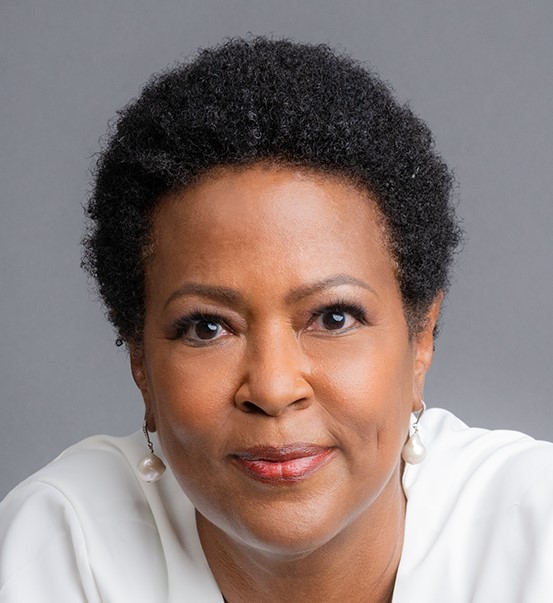
Led by Pamela Wigglesworth
Pamela Wigglesworth, CSP, is an international presentation performance consultant, speaker, author and founder of Experiential Hands-on Learning. She is the creator of the signature 5-step Persuasive Presenter framework used in her coaching work.
Over the past 15+ years, she has coached CEO’s, CFO’s, senior executives, and investment professionals to develop their executive presence, craft presentations that are clear, concise, and compelling, and deliver their thoughts and ideas with style, confidence, and authority.